
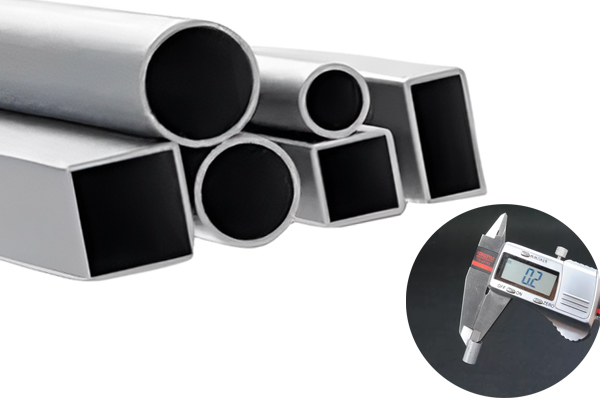
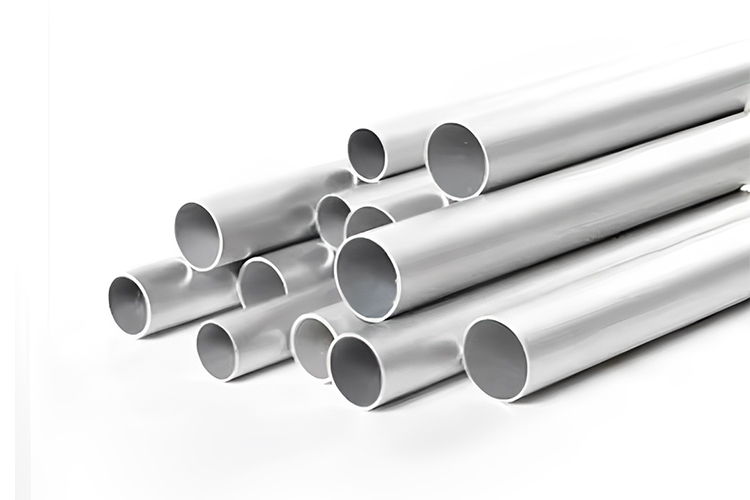
Our thin wall aluminum tubing is expertly crafted from premium aluminum alloy, such as 6061 or 6063, known for its superior strength, lightweight properties, and excellent corrosion resistance. The production process begins with extrusion, where heated aluminum billets are pushed through a die to form the tube shape. This is followed by heat treatment to enhance strength, cutting to desired lengths, and finishing processes like anodizing or powder coating. Each tube undergoes rigorous inspection to ensure it meets our high-quality standards.
We offer customization options, including various diameters, wall thicknesses, and lengths, as well as special machining and surface treatments. Ideal for applications in construction, aerospace, and automotive industries, our thin wall aluminum tubing deliver reliable performance while keeping weight to a minimum.
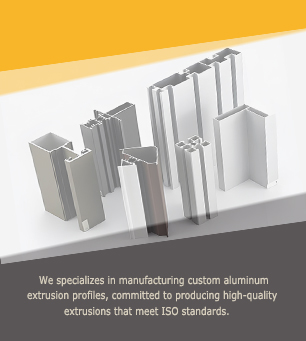
| Item Type | Thin Wall Aluminum Tubing |
|---|---|
| Material: | 1050/1060/1070/1100/3003/5052/5083/6061/6063 aluminium |
| Temper: | T3-T8 |
| Thickness: | 0.2–200mm |
| Color: | Silver,white ,Black,Bronze,Champagne .wood |
| Shape: | Customized |
| Finish: | Anodizing, Mill finish, Electroplating, Polishing, Sand blasted, Powder coating, Silver plating, Brushed, Painted, PVDF etc. |
| Surface Treatment: | Coated,Anodized, Electrophosis |
| Length: | customized 1 meter – 6 meters. |
| Delivery time: | 15-21 days |
| Process: | Bending, Tapping, Milling, Welding, Punching, CuttingFabrication |
| Application: | Decorations,Transportation Tools,Door&Window,Glass Wall,Heat Sink |
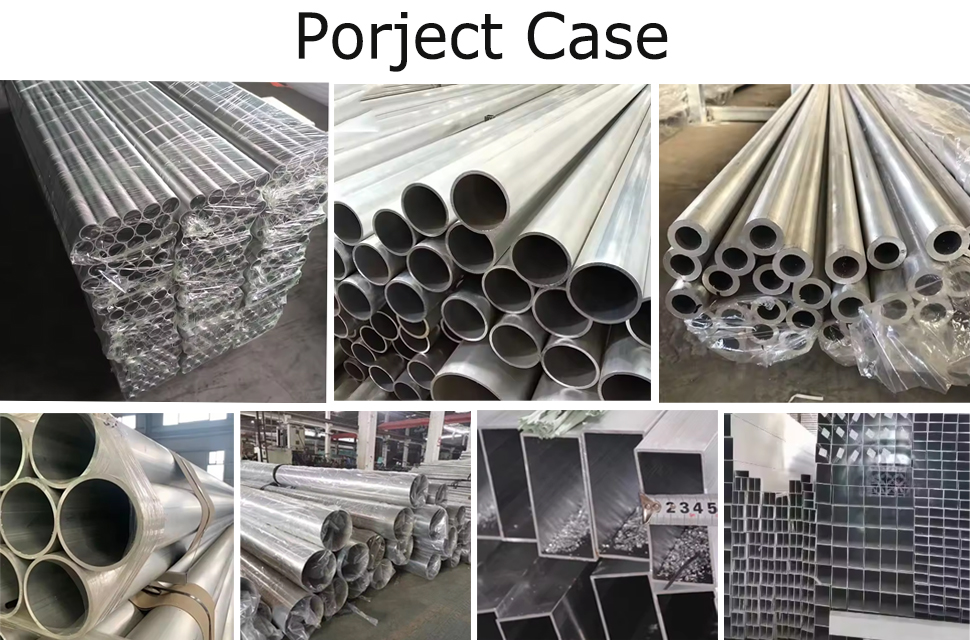
Production Process
-
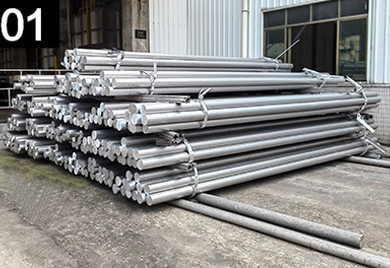
- Casting
-
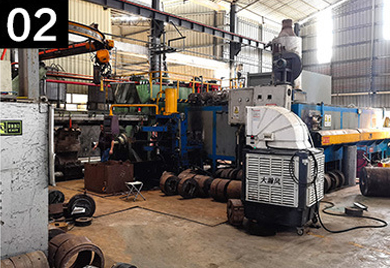
- Extrusion
-
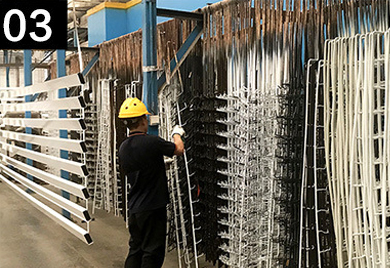
- Anodized
-
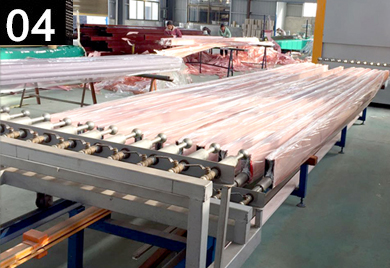
- Wood graind
-
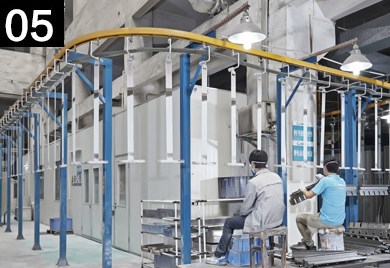
- Powder coating
-
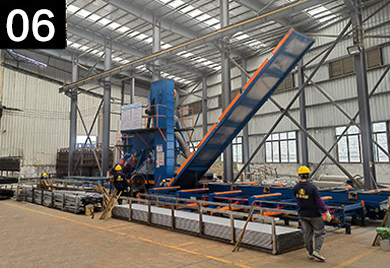
- Sand blasted
-
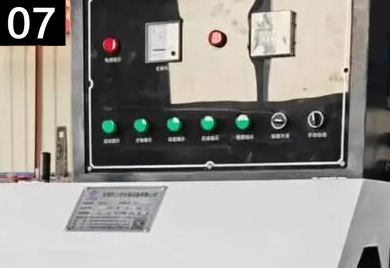
- Brushed
-
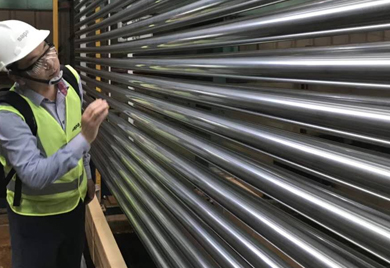
- Eletrophoresis
-
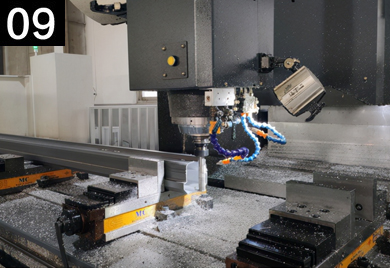
- CNC service
Your Reliable Thin Wall Aluminum Tubing Manufacture
Thin wall aluminum tubing comes in many sizes, and the walls can be as thin as 0.3 mm. It can be cut into shorter pieces and packed in boxes with plastic bags, or it can be made up to 6 meters long. This tubing is great for things like telescoping parts, shower curtain rods, broom handles, and other furniture.
As a manufacturer we can also do extra work like drilling, bending, punching, milling, and turning the tubing. And can even do assembly and welding, which helps save money and time.
Most thin wall aluminum tubing is made from alloys like 6061 and 6063, which resist rust, can be welded easily, and handle different weather conditions well. You can choose from various surface finishes like a simple mill finish, anodizing (which can be silver, black, gold, champagne, or bronze), powder coating (with many color options), and other coatings. These finishes not only protect the tubing but also make it look great in different colors.
What is considered thin wall aluminum tubing?
Thin wall aluminum tubing typically has a wall thickness much smaller than standard tubes, often less than 0.050 inches (1.27mm), with some options going as thin as 0.015 inches (0.38mm). This provides strength without adding unnecessary weight.
What applications are ideal for thin wall aluminum tubing?
Thin wall aluminum tubing is used in a variety of industries, including aerospace, automotive, electronics, and construction. Its lightweight yet durable properties make it ideal for structural components, fluid transfer, heat exchangers, and custom designs that require precision.
Can thin wall aluminum tubing be customized?
Yes! We offer customization options in terms of diameter, length, and wall thickness. Additional services such as special machining, surface treatments (like anodizing), and custom finishes are also available to meet specific project requirements.
What alloys are used for thin wall aluminum tubing?
Common aluminum alloys for thin wall tubing include 6061 and 6063, known for their excellent strength-to-weight ratio, corrosion resistance, and machinability. We can also work with other alloys based on your project’s requirements.
How is thin wall aluminum tubing manufactured?
Thin wall aluminum tubing is typically produced through extrusion, where heated aluminum is forced through a die to create the desired shape. The tubes then undergo further processes like heat treatment, cutting, finishing, and rigorous quality inspection to ensure precision and durability.
How to bend thin wall aluminum tubing?
Bending thin wall aluminum tubing requires careful preparation and the right tools to avoid damaging the material. Start by selecting a tubing bender that matches your tubing size, and consider using a mandrel for tighter bends to prevent the tube from collapsing. Mark the tubing where the bend will start, and if needed, gently warm the tubing with a heat gun to make it more flexible. For added support, you can fill the tubing with sand or ice to prevent kinking. Place the tubing in the bender, align it with your marks, and slowly apply pressure to create the bend. As you bend, monitor the tubing to ensure it remains smooth and free of deformations. Once the bend is complete, carefully remove the tubing from the bender, check for any issues, and clean off any lubricant or residue. If you used internal support, remove it by pouring out the sand or letting the ice melt. By following these steps, you can achieve smooth, precise bends in thin wall aluminum tubing without compromising its integrity.
 English